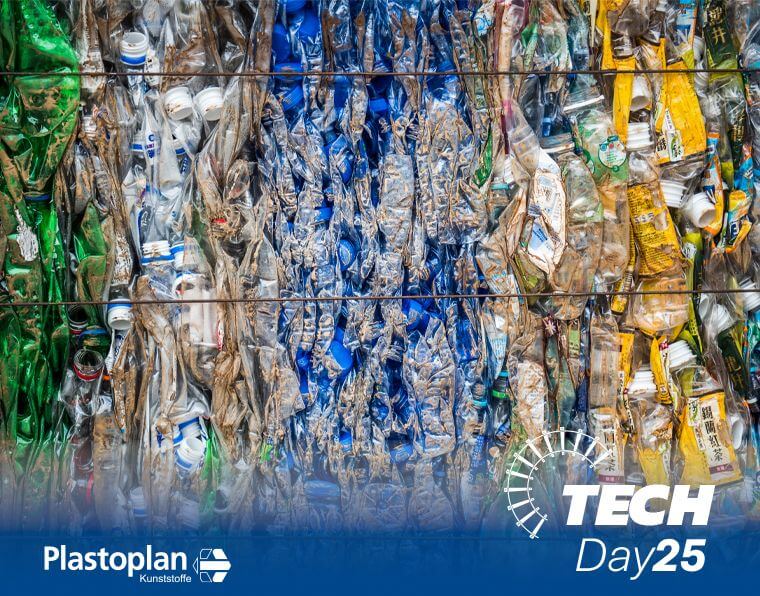
The plastics industry is facing a comprehensive transformation toward a climate-neutral circular economy. To support this change, a uniform EU policy framework is needed that promotes alternative sources of raw materials, expands recycling, and ensures the availability of affordable, renewable electricity. At the same time, the European plastics industry must regain its international competitiveness. The goal is to the 𝗚𝗿𝗲𝗲𝗻 𝗗𝗲𝗮𝗹 𝗶𝗻 𝗲𝗶𝗻𝗲𝗻 𝗖𝗹𝗲𝗮𝗻 𝗜𝗻𝗱𝘂𝘀𝘁𝗿𝗶𝗮𝗹 𝗗𝗲𝗮𝗹.
At the 𝗣𝗹𝗮𝘀𝘁𝗼𝗽𝗹𝗮𝗻 𝗧𝗘𝗖𝗛 𝗗𝗮𝘆 on May 15May in Vienna, 𝗕𝗲𝘁𝘁𝗶𝗻𝗮 𝗗𝗲𝗺𝗽𝗲𝘄𝗼𝗹𝗳 will discuss the necessary political framework conditions in her presentation and introduce the transition roadmap of 𝗣𝗹𝗥𝗹𝗹𝗹𝗹𝗹𝗹𝗹𝗹𝗹𝗹𝗹𝗹𝗹𝗹𝗹𝗹𝗹𝗹𝗹𝗹𝗹𝗹𝗹𝗹𝗹𝗹𝗹𝗹𝗹𝗹𝗹𝗹𝗹𝗹𝗹𝗹𝗹𝗹𝗹𝗹𝗹𝗹𝗹𝗹𝗹� how greenhouse gas emissions within the plastics value chain can be reduced to zero by 2050 and the proportion of fossil raw materials in plastics production can be gradually replaced by up to 65% from circular sources, including plastic waste, by 2050.
You can find more information about Techday at plastoplan.at.